
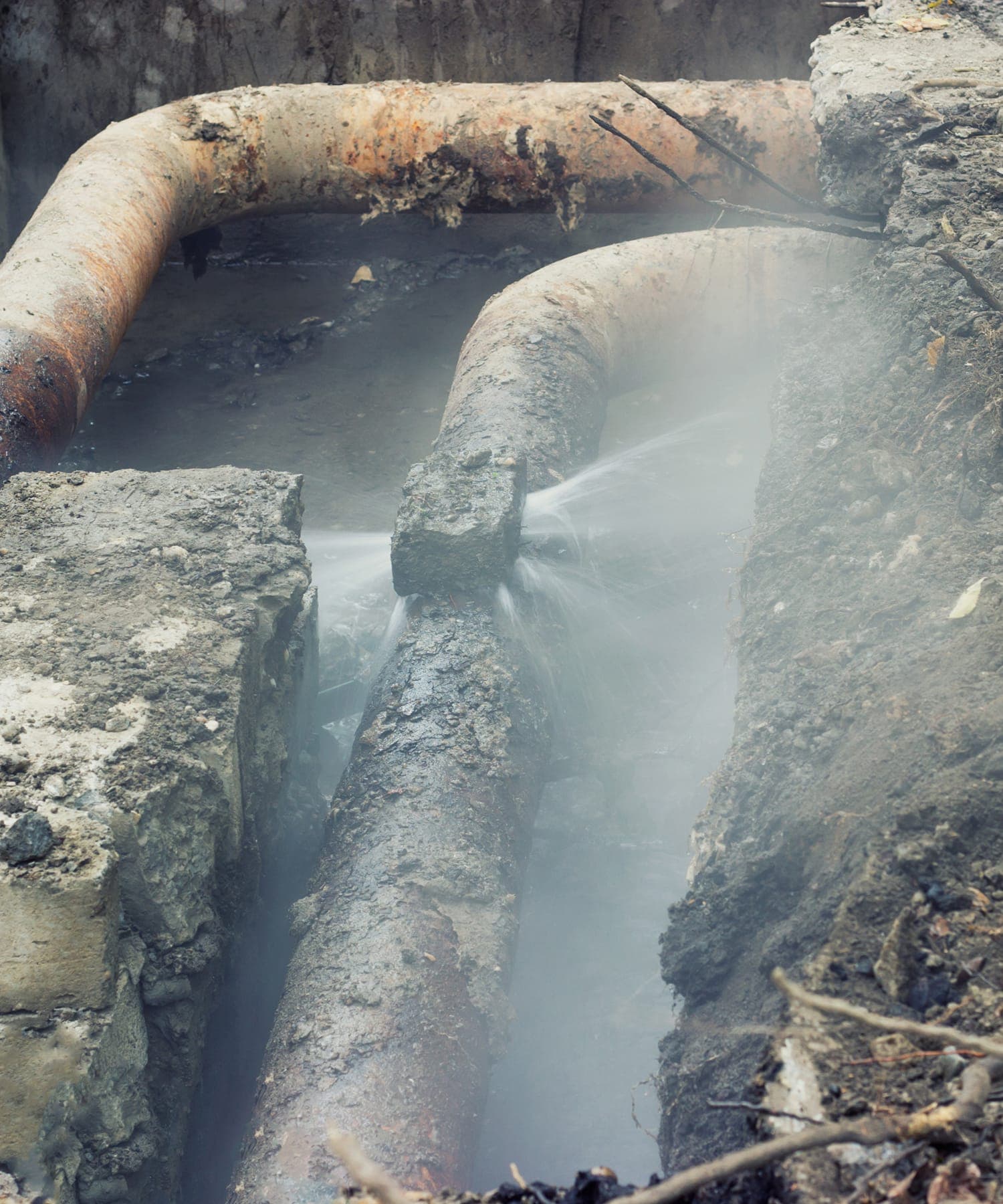
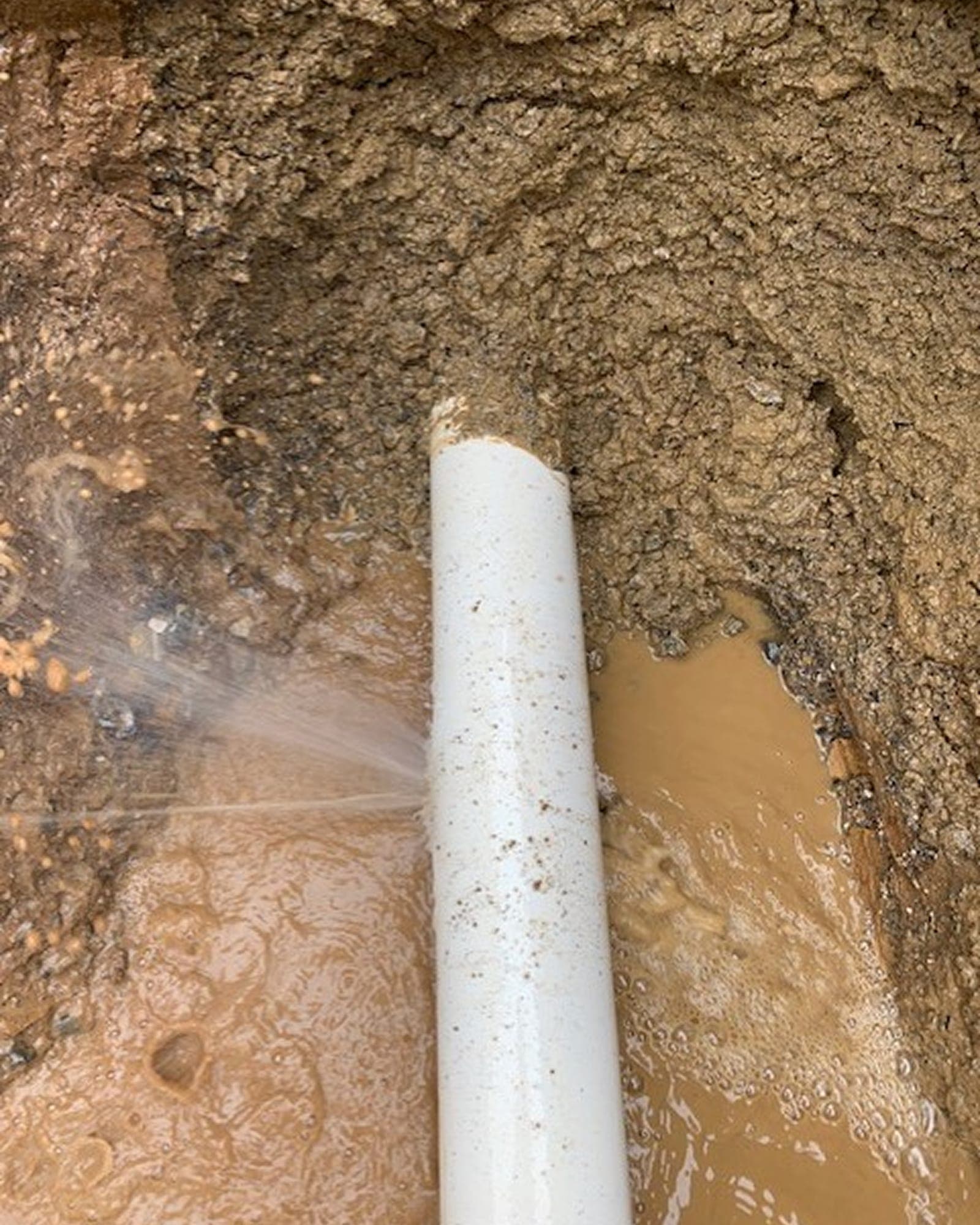
Sewer lines leak too. We find them without digging up the yard.
Outflow, not inflow. Water and waste that should be leaving the property are going somewhere else instead. Sewer cameras, smoke testing with vapor, and hydrostatic isolation pinpoint and mark the failure location from the surface.
- Coverage
- Sacramento, Placer, El Dorado, Yolo, Sutter, Yuba, Butte, Nevada, Sierra
Root systems grow toward small moisture seeps at pipe joints.
In Sacramento, the dominant sewer-line failure mode is root intrusion. The valley's mature canopy (oak, elm, sycamore) runs deep root systems that grow toward any moisture seep at a clay or cast-iron joint. Once a root is inside, the joint opens further, sediment collects, and a slow leak becomes a backup waiting on the next rainfall.
The other failure modes track the same logic of where the pipe is weakest. Bellies form where soil settled under the line. Offsets appear where two sections shift independently. Cracked clay and corroded cast iron fail first at the seam, the elbow, or the transition. A camera inspection makes these conditions visible before repair decisions are made.
What to note before you schedule.
Sewer-side symptoms have a small set of telltales. Observing a few of these before the visit often points us straight at the section of line we need to inspect.
- ANote which fixtures drain slow or gurgle first. The lowest fixture in the house (typically a downstairs shower or floor drain) is where main-line restrictions surface earliest.
- BWalk the yard after rain. Soft ground, an unusually lush patch, or a slow-draining low spot above the lateral run is a strong signal.
- CIdentify where the sulfur or sewage odor lives. Is it at one fixture, near the foundation, or only after running water? Each pattern implicates a different failure.
- DLocate the property's main cleanout: the capped pipe near the foundation, in a yard box, or in a lower-level utility area. Easy access cuts the inspection time in half.
- EPhotograph any settlement, cracking, or sinkhole signs along the lateral path between the house and the street. Surface evidence often follows the buried line.
If you've seen a wet patch above the lateral, smelled sewer near a foundation crack, or had a backup recently, share that pattern when you call. It helps us choose the right inspection path.
What goes wrong in sewer lines.
Most sewer-line failures come from a small set of mechanisms, and a camera inspection shows what is happening inside the line. The repair recommendation that follows is grounded in what we saw, not what we guessed.
- 01Root intrusion at clay or cast-iron pipe joints
- 02Separated, offset, or misaligned lateral joints
- 03Bellied or sagging sections where soil settled under the line
- 04Cracked clay and corroded cast iron, especially at transitions
- 05Debris and grease accumulations that don't clear with normal use
- 06Damage beneath slabs from settling, freeze cycles, or original installation
- 07Failed plumbing vents allowing sewer gas to enter the building
- 08Dry traps in seldom-used drains breaking the seal against odor
When the symptoms don't yet point at a sewer system specifically (the source could be supply, drainage, or envelope intrusion), the right first step is the cause-and-origin diagnostic on the mystery leaks page.
Camera. Vapor. Hydrostatic. Sonde.
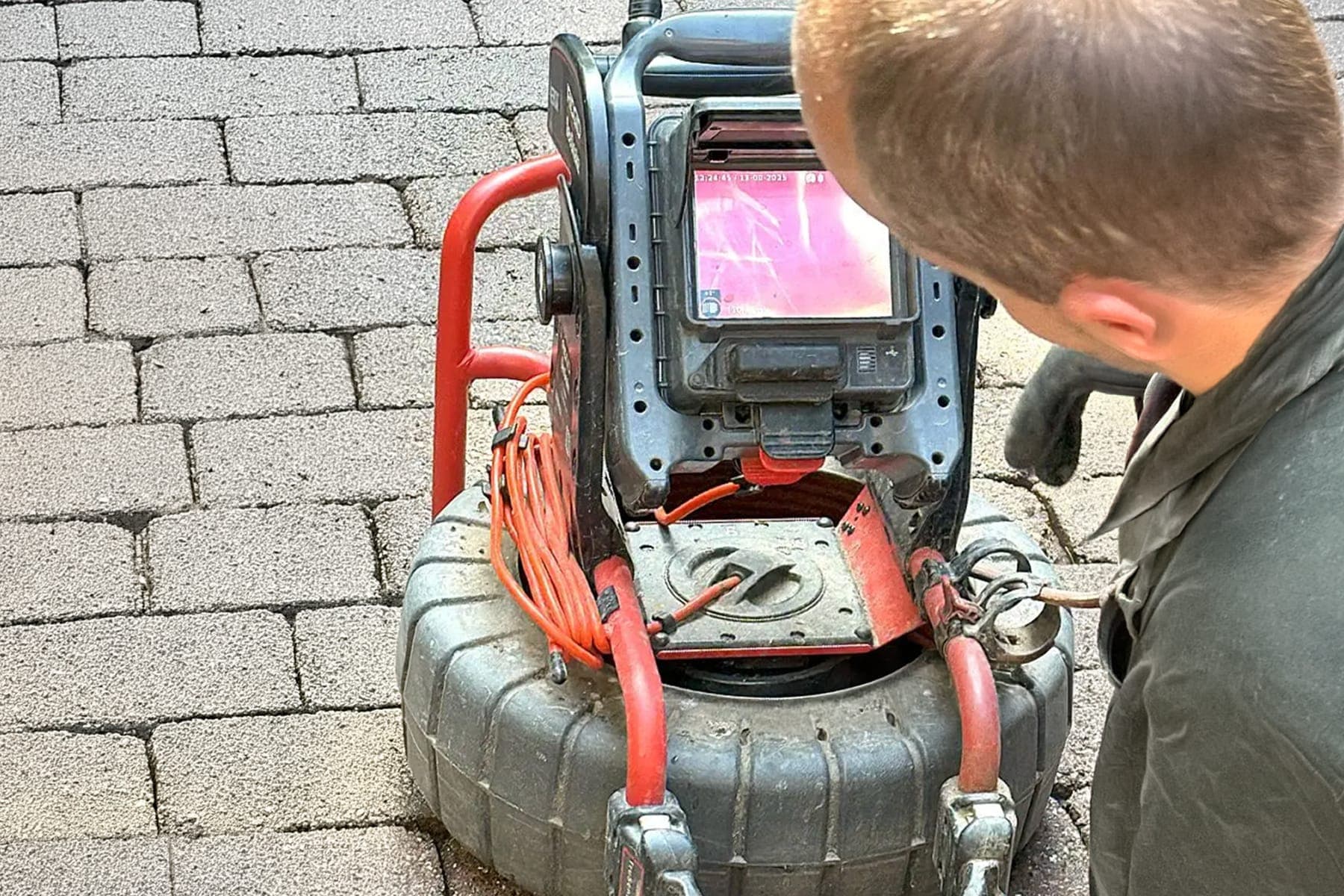
The sewer camera leads. We push a high-resolution color camera through the lateral from a cleanout, inspect the pipe interior, and mark notable defects. Root intrusion, joint separation, bellies, cracked clay, and debris all become visible.
Smoke testing finds what the camera cannot reach inside finished construction. A non-toxic, artificially produced vapor pushed into the drain, waste, and vent system escapes anywhere a seal has failed: a cracked drain line behind a wall, a broken roof vent, a compromised cleanout cap. The vapor shows the location.
Hydrostatic testing isolates the system and introduces water to confirm whether the line holds, or where it doesn't. A locating sonde paired with a line tracer pinpoints and marks the buried failure from the surface, so any excavation is one trench in the right place rather than a guessing dig along the run.
- Tools on hand
- Push and crawler sewer cameras, locating sondes, line tracers, vapor testing, hydrostatic gauges
- Visit pricing
- Priced by test type, not by the clock
When to call for sewer-line detection.
If any of the following are on the table, a camera inspection is the right next step before any plumber, contractor, or excavator gets involved.
- 01Sulfur or sewage odor inside the house or near the foundation
- 02Slow or gurgling drains that don't clear with normal use
- 03Wet patches, soft ground, or extra-lush turf along the lateral path
- 04A recent backup that you want to understand before it happens again
- 05Sudden rodent activity near the foundation, yard, or crawlspace
- 06A water bill that rose without a usage explanation
- 07A real-estate transaction that needs the lateral documented
- 08A planned addition, hardscape, or landscape project crossing the lateral run
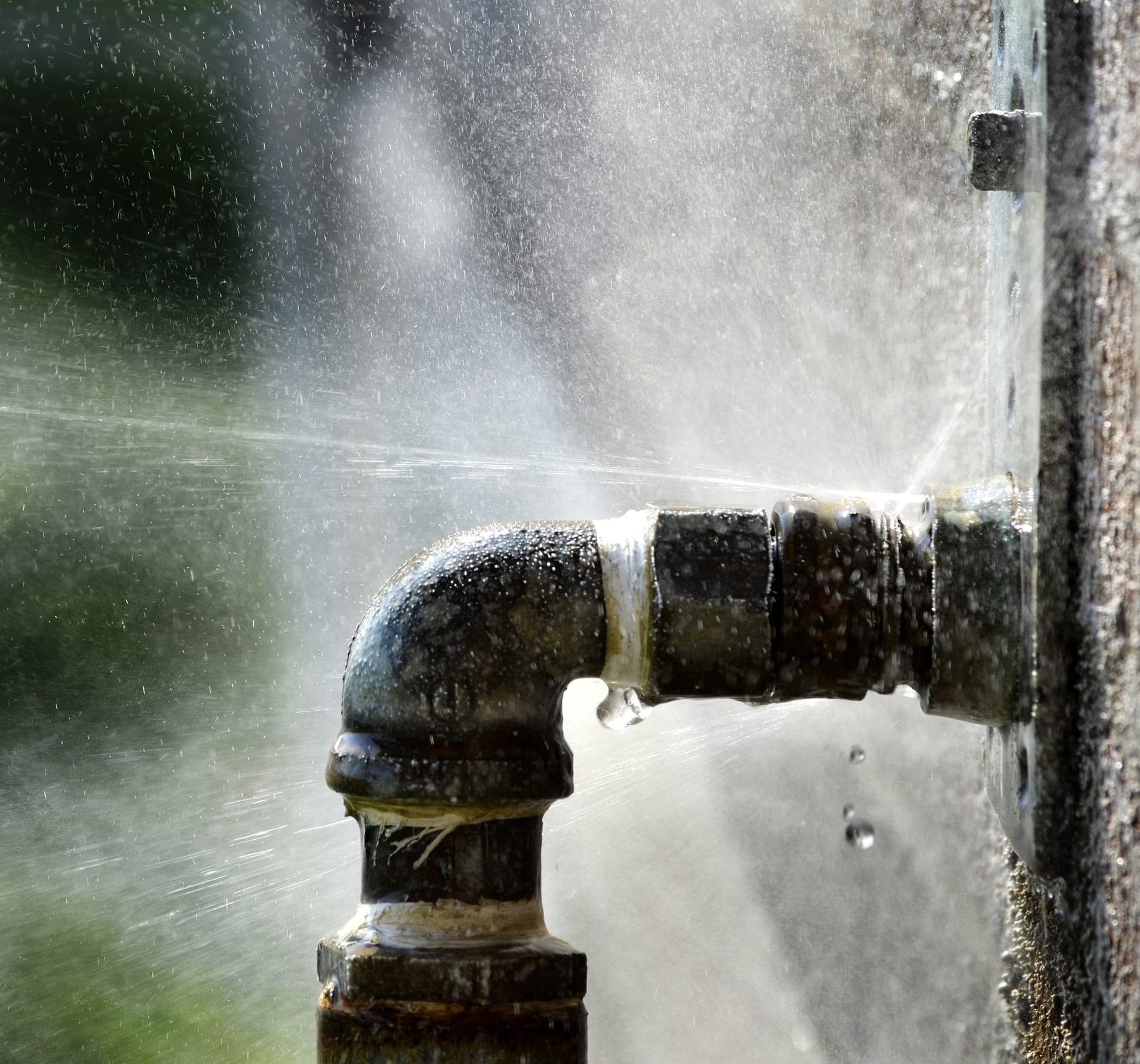
If the camera should go in before the shovel, start with a sewer inspection.
- Direct
- (916) 331-6443
Mon–Fri · 8a–5p · CA Lic. #393393 · Bonded & insured
Questions we hear most.
Short, plain answers to the questions homeowners, real-estate agents, and property managers ask before scheduling a sewer-line inspection.
How does a sewer camera inspection work?
A high-resolution color camera is pushed through the lateral from a cleanout, typically near the foundation or in a yard box. The technician watches a live monitor, marks notable defects with a footage counter, and provides a written summary identifying any root intrusion, joint separation, bellies, breaks, or debris encountered.
What's smoke testing for, and is it safe?
Smoke testing uses a non-toxic, artificially produced vapor to find breaks and seal failures in drain, waste, and vent piping that the camera can't see directly. The vapor is harmless and dissipates within minutes. It is not smoke from a fire.
What is hydrostatic testing?
Hydrostatic testing isolates the sewer system and introduces water to a controlled level. If the water level drops, the system is losing volume somewhere and there's a leak below the ground. It's the cleanest way to confirm a buried-line leak before any excavation happens.
Can you find a leak without digging up the lateral?
Yes, almost always. The camera locates the defect visually, and a sonde inside the camera head plus a line tracer marks its position above ground. If excavation is needed for repair, it's one trench, not a guessing dig.
What about root intrusion: can you tell where the roots are?
The camera shows the exact length of pipe affected, the severity of intrusion, and whether the joint is also offset or cracked behind the roots. That distinction matters: light root intrusion at a sound joint is one repair; root intrusion at a structurally failed joint is a different one.
How long does a sewer-line inspection take?
Most visits run up to 1.5 hours. The test is priced by type, not by the clock, so a faster visit costs the same and gets the same written report.
Do I need permission to inspect the public main?
The property owner's lateral runs from the building to the public main connection. That section is yours to inspect. The municipal main itself is the water district's responsibility, and we coordinate with the district when an inspection needs to extend past the property line.
One trench in the right place beats three in the wrong one.
Trenching a lateral is expensive, disruptive, and often unnecessary. A camera inspection plus sonde location marks the failure from the surface, so any digging that does happen is one trench in the right place. The inspection cost is a fraction of one wrong cut into a finished landscape.
See the line. Mark the failure. Skip the trench.
- Call
- (916) 331-6443
Mon–Fri · 8a–5p · CA Lic. #393393 · Bonded & insured
Sewer work means excavation, and excavation means concrete, hardscape, and landscape that has to be restored afterward. These are the local companies we trust to put a site back together.
See our trusted referrals