

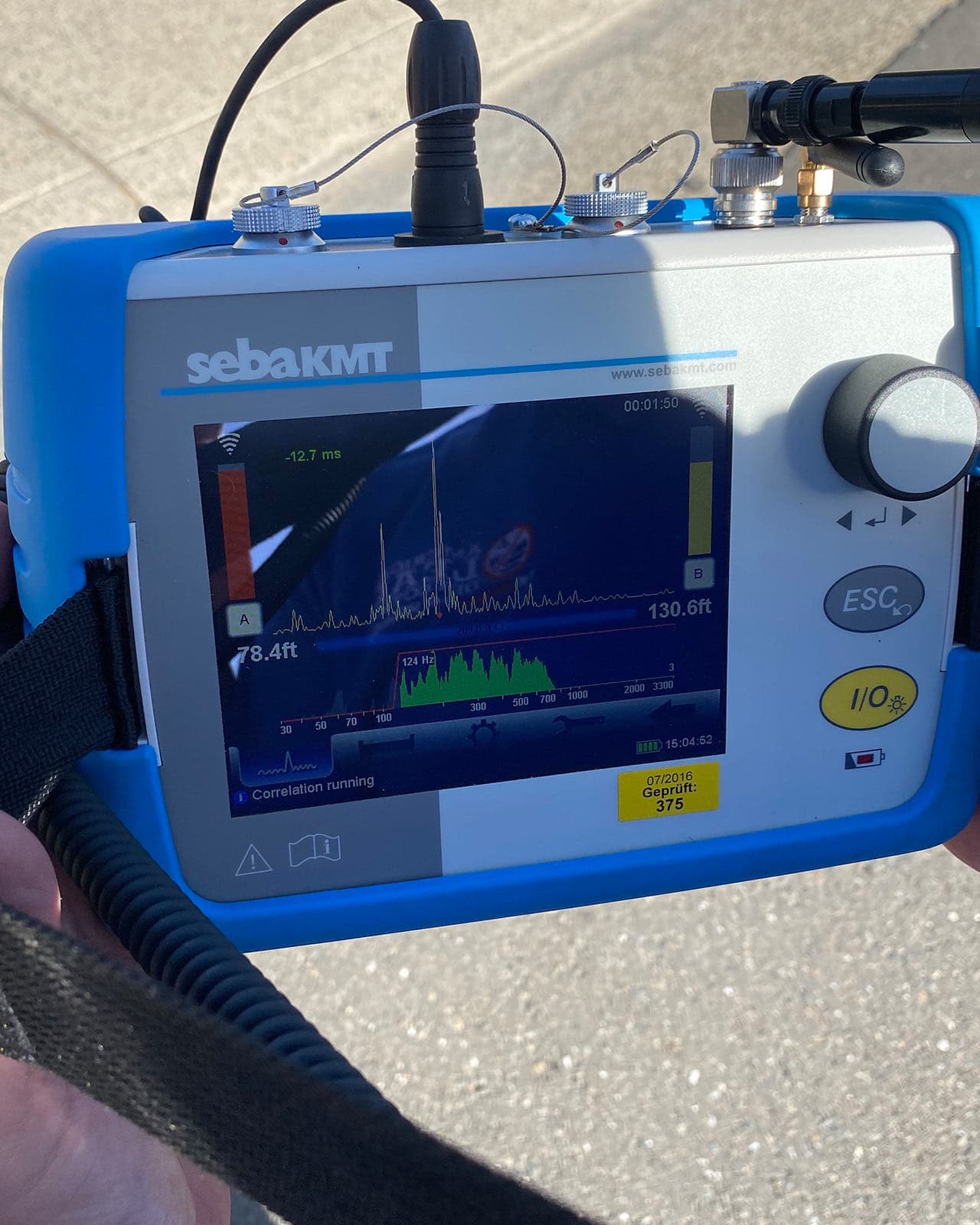
Diagnose first. Repair second.
Independent leak detection for property-wide audits, multi-system workups, and insurance-grade documentation. We locate, mark, and document first, then separate the diagnostic record from any repair decision that follows.
- Coverage
- Sacramento, Placer, El Dorado, Yolo, Sutter, Yuba, Butte, Nevada, Sierra
What we document before repair starts.
We do detection. We find pressurized leaks behind walls, under floors, beneath slabs, in irrigation laterals, in pool plumbing, and in sewer mains. We use acoustic listening, thermal imaging, pressure isolation, sewer cameras, and hydrostatic testing, whichever tool fits the system. The deliverable is a marked location and a written report.
The report is useful whether our team performs the repair or a third-party vendor is needed for water damage, stucco, window, irrigation, pool plaster, cosmetic restoration, or your own maintenance scope. It shows the location, the line, and what was eliminated along the way, so the repair can be scoped against a fixed target instead of guessing. Browse our referral partners for related property services.
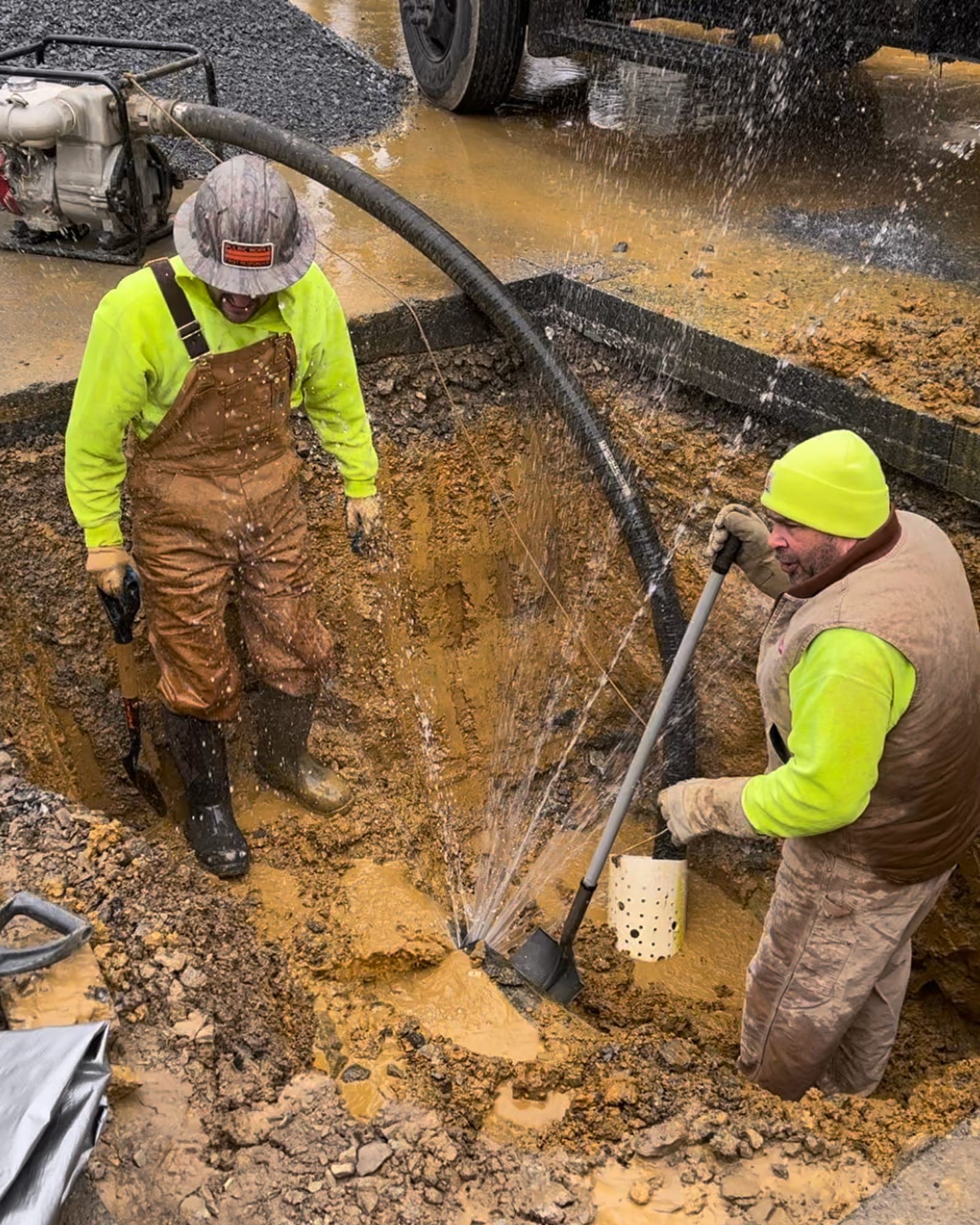
What to walk before you schedule.
Five observations that apply across every system. They narrow the diagnostic before we arrive, and sometimes confirm which specific service is the right starting point.
- ARun a 30-minute meter test with every fixture off. Movement means pressurized supply is losing water somewhere. A still meter doesn't rule out a leak. It just rules out a continuously running one.
- BWalk the building and the property. Photograph anything wet, stained, settled, soft, or out of pattern, and note when you first saw it.
- CIdentify the timing pattern. Does the symptom show only after rain? Only when irrigation runs? Only when the dishwasher cycles? Each timing pattern points at a different system.
- DNote your most recent water bill alongside the same month from the prior year. A year-over-year change in the same month is more informative than month-over-month.
- ELocate any plumbing access points (cleanouts, valve boxes, equipment pads, meter pits) and confirm they're reachable. Easy access cuts visit time and makes the diagnostic more efficient.
If your situation already fits one of the specific service pages (a high water bill, a recurring stain, a warm slab patch, a soggy yard above the lateral), start there. The diagnostic visit is the same regardless of which page you walked in through.
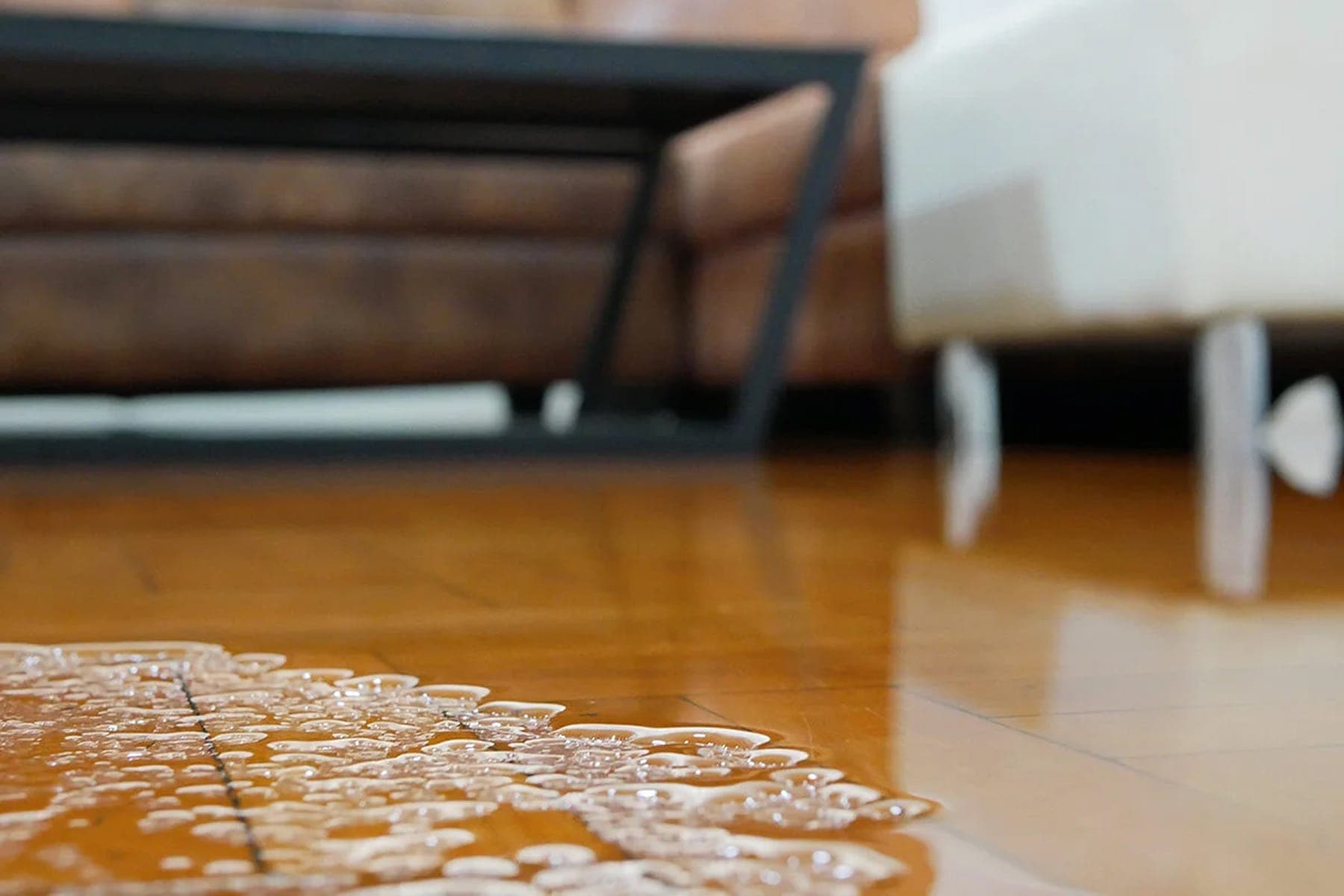
Find the path that matches your situation.
Every diagnostic path uses the same underlying protocol (symptom intake, system isolation, location work, documentation), but the toolkit shifts based on which system is involved. If your symptom matches one of these, the linked page has the specific diagnostic and FAQ.
- 01Your water bill rose without an explanation → high water bills
- 02Something is wrong but you can't find the source → mystery leaks
- 03A pressurized supply leak is behind a finished surface → hidden leak detection
- 04Symptoms point to a leak below a concrete slab -> slab leaks
- 05Wastewater isn't leaving the property cleanly → sewer line
- 06An irrigation supply line leaks only while the system runs → irrigation
- 07A pool, spa, or water feature is losing more than evaporation → pool & water features
- 08You manage a property, multi-site portfolio, or municipal system → see the segment pages
When the situation doesn't yet narrow to one of these (multiple symptoms, multiple systems, a recent renovation that scrambled the baseline), the generalist visit walks through them in order until the source is found.
Intake. Isolate. Locate. Document.
Intake comes first. The technician reviews what you've seen, how long, and the pattern: when, where, after what. That conversation often narrows the diagnostic from 'whole property' to 'one zone' or 'one wall' before any equipment comes out of the truck.
From there the work isolates the system. Meter observation, fixture isolation, pressure testing on the supply side, valve cycling on the irrigation side, camera and smoke on the sewer side. Each step rules out a category until one system is the clear suspect. The toolkit narrows with the diagnostic.
Location work uses whatever combination of acoustic, thermal, ultrasonic, dye, pressure, hydrostatic, line tracing, and camera matches the confirmed system. Every visit ends with a written report: source identified, methods used, systems eliminated, and a marked location your repair team can open against, with location, orientation, and photograph included.
- Tools on hand
- Acoustic ground mics, thermal cameras, line tracers, sewer cameras, hydrostatic gauges
- Visit pricing
- Priced by test type, not by the clock
When detection independence is the value.
If you need a diagnostic record that can stand apart from the repair decision, a property-wide audit, or a multi-system workup, this is the right page. For a single suspected pressurized leak, see hidden leak detection. For an unknown source or cause-and-origin work, see mystery leaks.
- 01Multiple symptoms are pointing at more than one possible system
- 02A property manager, facility team, or insurer needs detection findings documented before repair scope is approved
- 03A commercial, multi-tenant, or portfolio property needs preventive detection on a defined schedule
- 04An insurance carrier or contractor needs detection documented before repair bids are compared
- 05A property is on the market and needs plumbing condition documented
- 06You want a system-wide check before a renovation or addition
- 07A contractor, maintenance team, or insurer needs the leak documented before any cuts
- 08You've had leaks before and want a preventive system audit
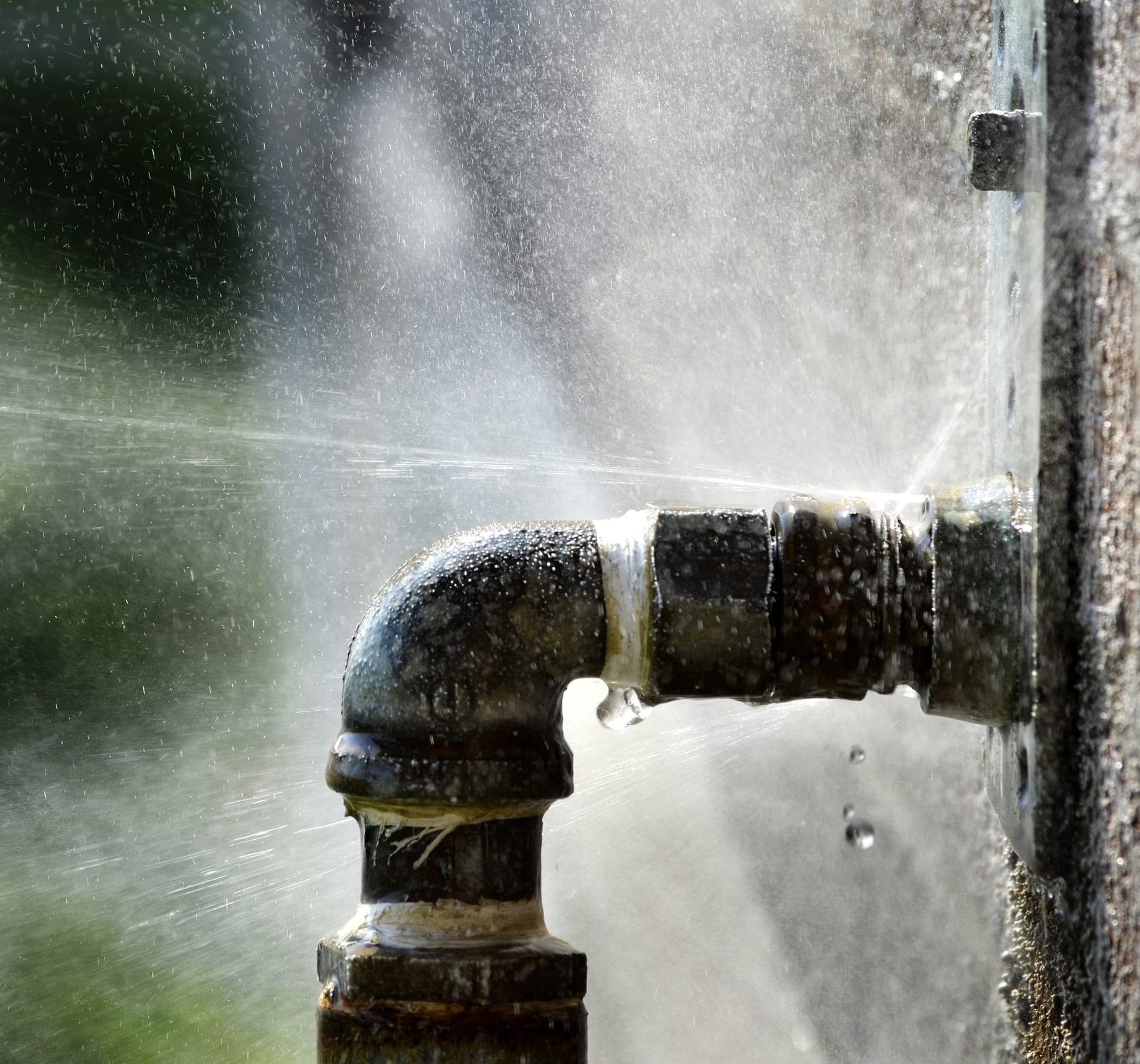
If you need the source on paper before anyone repairs, start with a diagnostic.
- Direct
- (916) 331-6443
Mon–Fri · 8a–5p · CA Lic. #393393 · Bonded & insured
Questions we hear most.
Short, plain answers to the questions homeowners, contractors, and property managers ask about the diagnostic-first approach.
What's the difference between detection and repair?
Detection finds the leak and documents it. Repair fixes it. The diagnostic uses acoustic, thermal, pressure, and camera tools to locate the source non-invasively; repair uses trade tools to open, replace, or restore the failed part. Keeping those steps distinct is what prevents a repair from starting before the source is confirmed.
Why separate the diagnostic from the repair decision?
Because the report should be useful before anyone commits to a repair path. It documents the symptom, the tools used, the systems eliminated, and the confirmed location. From there, you can discuss repair with our team, or use the report with a third-party vendor when the scope requires water damage, stucco, window, irrigation, pool plaster, cosmetic restoration, or maintenance-team work.
How do you know which service to run?
The symptoms decide. A warm patch on the slab points at slab work. A spike in the summer bill points at irrigation. A sewage smell near the foundation points at sewer-side work. The intake conversation at the start of every visit identifies the suspect system before any equipment comes out. If the symptoms don't yet narrow, the generalist diagnostic walks them in order.
What if my situation doesn't fit one of your specific services?
That's exactly what this page is for. Multiple symptoms, multiple systems, an unclear baseline after a renovation, or a situation that doesn't match a clean category: the generalist diagnostic starts at the property level and narrows from there. We're built for the unclear cases.
Do you provide insurance documentation?
Yes. Every visit ends with a written report identifying the source, the methods used, the systems eliminated along the way, and supporting photographs. The format is accepted by insurance adjusters and supports a contractor's scope of repair.
Can you do a system-wide inspection rather than chase a specific leak?
Yes. System audits are common before renovations, before property sales, on commercial properties, and on portfolios managed by property-management companies. We map the supply, drainage, and irrigation systems, document any active leaks or weak points, and provide a baseline you can plan against.
How much does a diagnostic visit cost?
Cost depends on the property size, the symptom complexity, and how many systems we need to investigate. We give you a clear estimate before the visit starts. What we don't do is bury the cost in the repair. The detection fee is its own line item, and you keep the report regardless of who does the repair.
What if you don't find a leak?
That's a real outcome too. Sometimes the bill rose for an explainable reason, the symptom traces back to envelope intrusion rather than plumbing, or the leak repaired itself with a settled fitting. The report documents what was checked, what was eliminated, and what we're confident isn't leaking. That documentation has value even when it confirms 'nothing is wrong.'
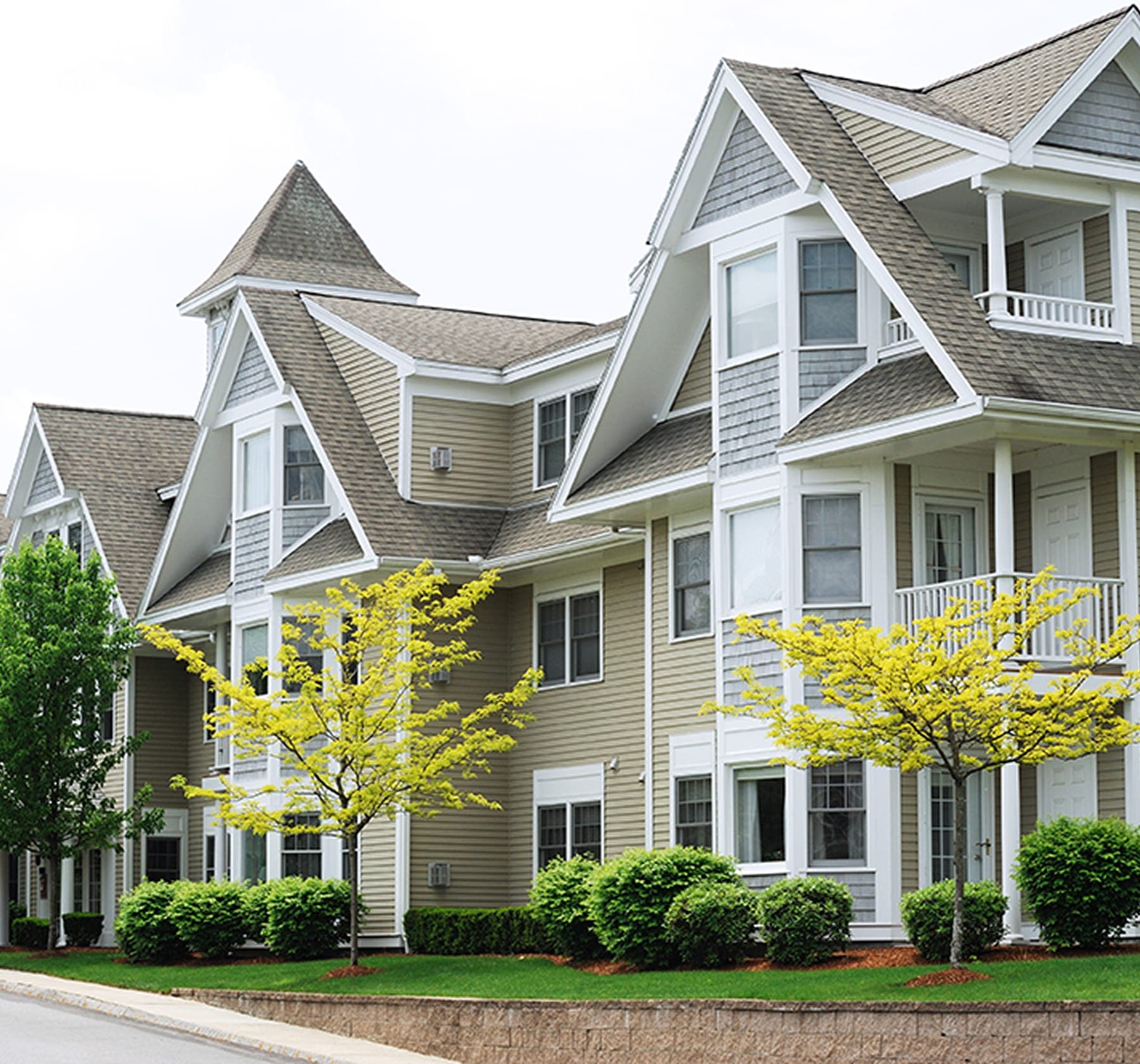
The repair plan is downstream of the diagnostic.
Every wrong repair costs more than the right one, sometimes much more. Drywall opened in the wrong place, concrete cut where there was no leak, a trench dug along the wrong run, a re-plumb where a single fitting was the whole problem. The diagnostic is what makes the repair plan rational: confirm the source first, then decide the smallest responsible repair.
Diagnose first, repair next.
- Call
- (916) 331-6443
Mon–Fri · 8a–5p · CA Lic. #393393 · Bonded & insured