

Same diagnostic. Tenant-friendly engagement.
Priority Dispatch for property-management clients, written reports the owner can act on, and non-invasive detection that finishes in one visit while the unit stays occupied. We work the way property managers need us to: across single-family rentals, multifamily, and HOA portfolios.
- Coverage
- Sacramento, Placer, El Dorado, Yolo, Sutter, Yuba, Butte, Nevada, Sierra
What changes when the call comes from a property manager.
A homeowner calling about a leak owns the problem, the property, and the repair budget. A property manager calling about a leak coordinates a tenant who has to grant access, an owner who'll pay the invoice, sometimes an insurance carrier underwriting the loss, and a maintenance vendor handling the repair. One visit; four parties to satisfy.
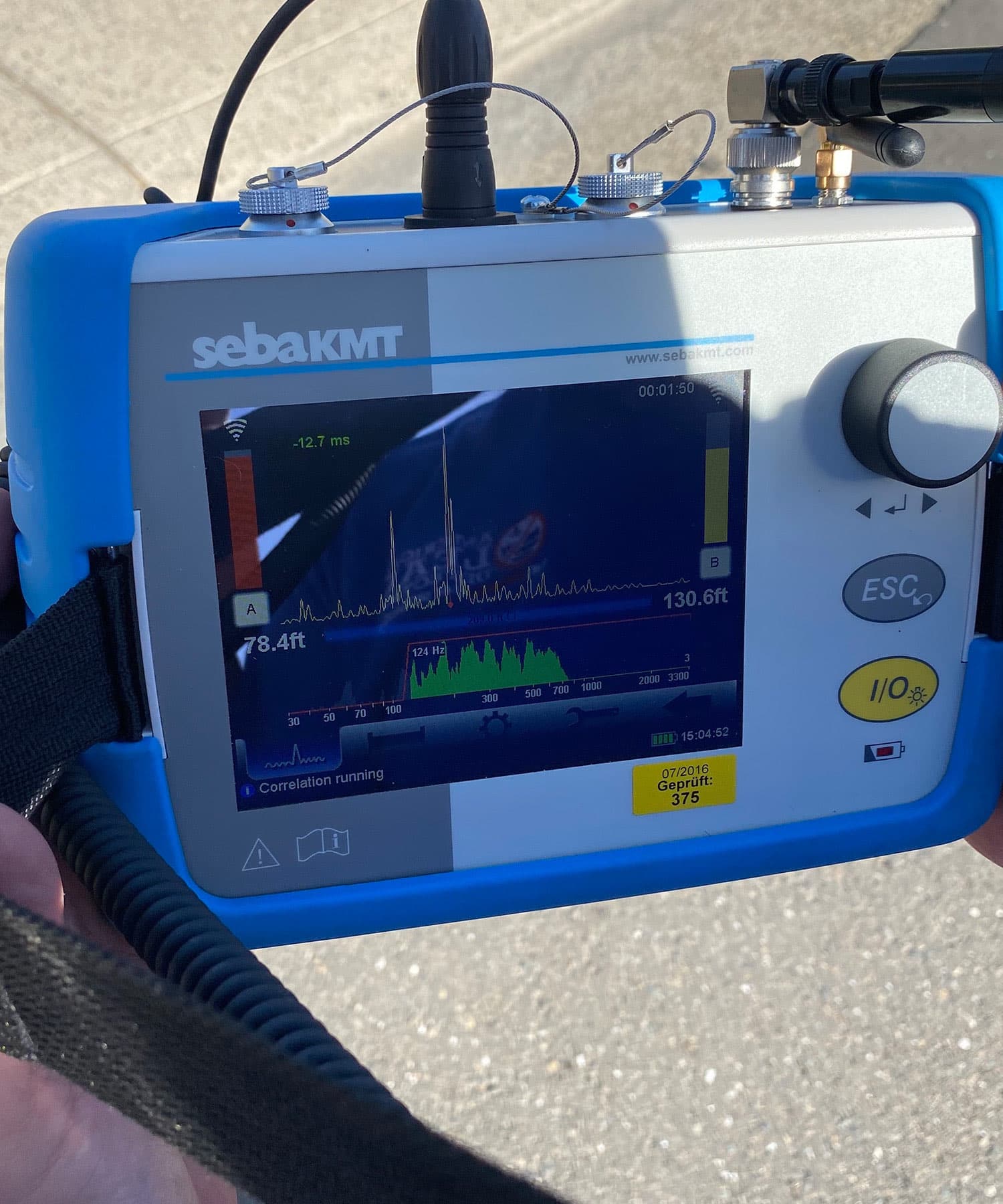
The detection itself doesn't change. We use the same acoustic, thermal, pressure, camera, and dye tools we'd use in any home. What changes is the surrounding workflow: Priority Dispatch on tenant-reported issues, advance scheduling with documented entry, a single-visit goal so the tenant isn't disrupted twice, and a report formatted for the owner and the insurer rather than only the resident.
What to confirm before the visit.
A short checklist that prevents the most common property-management coordination problems before they delay a visit.
- AConfirm Priority Dispatch terms on your service agreement. If a tenant calls in a leak on a Friday, you want to know how that escalates before Friday afternoon.
- BHave the unit address, access protocol, and tenant contact ready at intake. If a key or code is needed, route it before the technician's window opens.
- CDocument the chain of payment. The invoice is yours, the cost passes to the owner, the documentation may go to insurance. Naming all three before the visit prevents back-and-forth after.
- DConfirm where the written report needs to land. Manager only, manager plus owner, manager plus owner plus insurance: three different addressing patterns.
- ESet the tenant-notification cadence. We can handle the access conversation directly if you prefer, or we can run through your maintenance scheduling channel. Both are common.
If you manage a portfolio and want to standardize this across properties, a master account simplifies the billing, reporting, and dispatch coordination for every visit thereafter.
Common property-management situations.
Most of what we do for property managers falls into a small set of recurring patterns. Each routes to the same diagnostic toolkit and the same documentation deliverable. The trigger and the audience for the report shift.
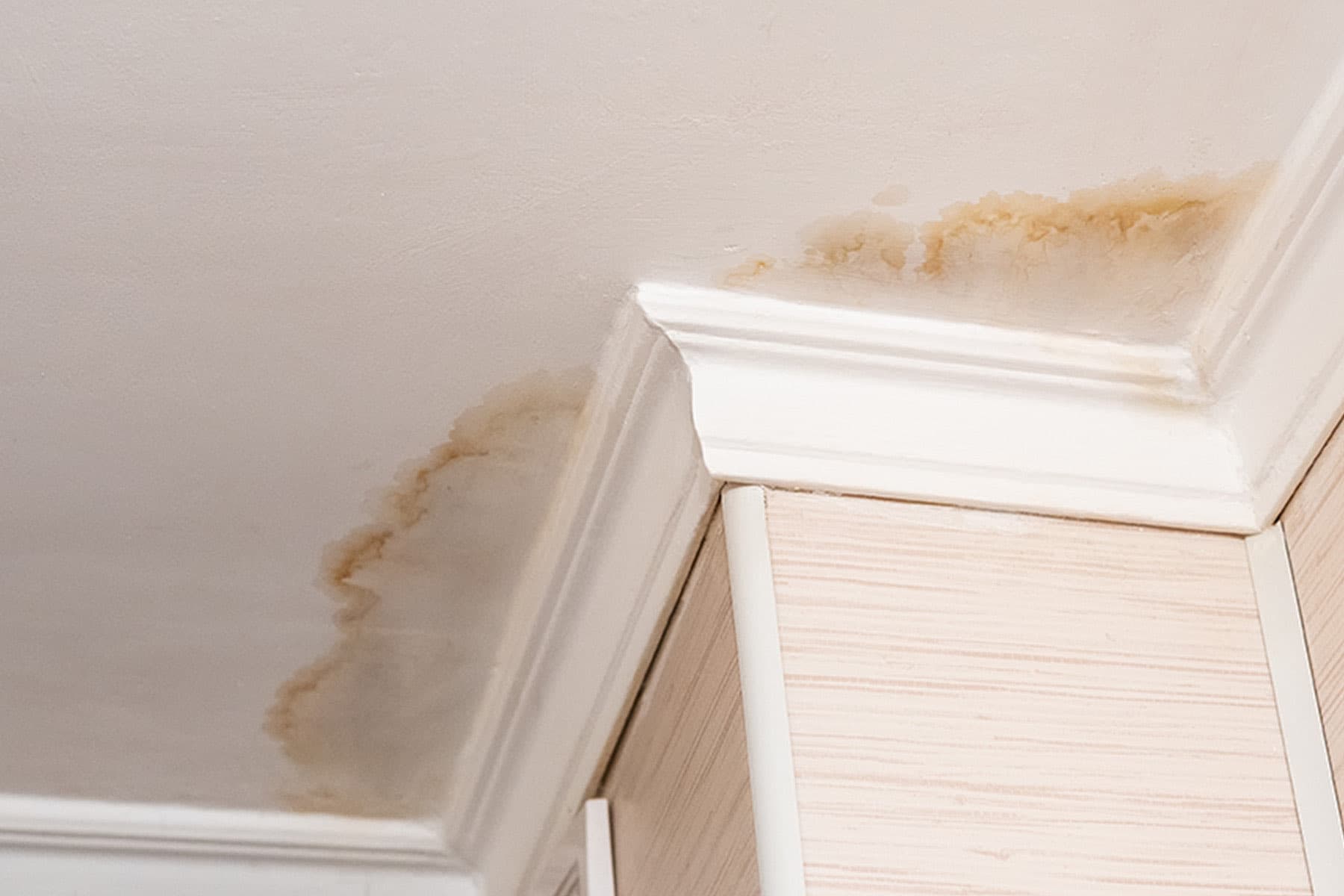
- 01A tenant reports stains, smells, or sounds, and you need a confirmed source before scheduling a repair
- 02A vacancy turnover needs plumbing-condition documentation before re-leasing
- 03The owner's water bill spiked across one or more units in the same billing cycle
- 04An insurance claim needs cause-and-origin documentation supporting the owner's policy
- 05A managed pool, spa, or fountain on the property is losing water
- 06A sewer-line backup at the lateral between the building and the main
- 07HOA common-area irrigation showing high usage with no clear source
- 08Pre-acquisition plumbing inspection on a property being added to the portfolio
Cases that span multiple systems (supply, drainage, irrigation, pool) get routed through the generalist diagnostic page, with one report covering the whole property.
Priority Dispatch. Single visit. One report.
Intake happens at the management office, not unit by unit. Your dispatch coordinator describes the situation, confirms access, and we schedule against your tenant-notification cadence. For Priority Dispatch clients, the response window shortens to same-day or next-day where the territory allows.
The visit is built to be a single visit. One technician arrives within a defined window, runs the diagnostic, marks the location, documents the findings, and leaves. Tenants are minimally disrupted, the unit is left as it was found, and the next repair step can route through our team where appropriate or through your maintenance vendor of choice.
The written report is built for three audiences. The manager copy includes the findings and recommended scope. The owner copy adds context for absentee owners who need to understand what was found and why. The insurance copy formats the findings for an adjuster: same content, formatted for the document trail the claim will require.
- Coordination
- Priority Dispatch · master billing · documented entry · scheduled tenant notice · NARPM member
- Visit pricing
- Priced by test type, not by the clock
When to add us to your standard leak-response list.
If any of these describe how a current leak-response workflow is going, the engagement model on this page is designed to solve them.
- 01Tenant-reported leaks take more than one visit to locate
- 02Your maintenance vendor is opening drywall, flooring, or concrete on a guess
- 03Owner reimbursements are being slowed by missing cause-and-origin documentation
- 04Insurance claims are being kicked back for inadequate source documentation
- 05A previous detection visit didn't fit the property-management workflow
- 06You're standardizing leak response across a portfolio and need a known partner
- 07Multiple units in the same property are showing simultaneous symptoms
- 08A managed HOA or common-area system needs a recurring inspection schedule

If tenants are calling and the source is still a guess, locate it without moving anyone.
- Direct
- (916) 331-6443
Mon–Fri · 8a–5p · CA Lic. #393393 · Bonded & insured
Questions property managers ask.
Short, plain answers to what comes up when property-management firms evaluate adding a leak-detection provider to their service stack.
Do you offer Priority Dispatch for property managers?
Yes. Property-management clients are routed ahead of the general intake queue. Same-day and next-day windows are common in the Sacramento territory when access logistics are confirmed at intake. The exact escalation path is defined in your service agreement.
Are you a NARPM member?
Yes. American Leak Detection of Sacramento has been a member of the National Association of Residential Property Managers for years. We work with NARPM affiliates and other property-management firms across the nine-county service area.
How do you coordinate tenant access?
Two options, and either works. We can handle the tenant communication directly: call, schedule, and arrive within the window. Or we can run through your existing maintenance scheduling channel if you prefer to keep tenant-facing communication on your side. Either pattern is set up at the master-account level.
Can you bill multiple properties on one master account?
Yes. Master billing across a portfolio is the standard for our property-management clients. One monthly invoice with per-visit, per-unit breakdown, addressed to your office. Owner pass-through is handled on your side.
Will the visit disrupt tenants?
Minimally. Detection is non-invasive. Nothing is cut, drilled, or opened. The technician walks in, runs the diagnostic on the symptom location, marks any findings, and leaves. Duration depends on access, symptom complexity, and the system being tested; the test is priced by type, not by the clock.
Do you provide reports the owner can use directly?
Yes. The standard deliverable is a written report addressed to whoever you specify: manager, owner, insurer, or all three. The content is the same; the routing and formatting adapt to the audience.
Do you work with insurance carriers and adjusters?
Routinely. Cause-and-origin documentation is part of every visit when the situation calls for it. Reports are accepted by most major carriers and support an adjuster's documentation trail without extra back-and-forth.
What if the leak isn't found?
That's a real outcome and a documented one. The report describes what was checked, what was eliminated, and what we're confident isn't leaking. That documentation supports an owner conversation, a tenant resolution, or an insurance position even when the answer is 'nothing is wrong on the plumbing side.'

Detection sized for the property manager's day.
Tenant disruption is its own cost, not just a courtesy issue. Repeat visits, rescheduled access, and unexplained delays all show up in the manager's workload before they show up on any invoice. A detection visit that fits the engagement model (one trip, one report, three audiences) keeps the workflow moving and the relationships intact.
One visit. One report. The tenant stays put.
- Call
- (916) 331-6443
Mon–Fri · 8a–5p · CA Lic. #393393 · Bonded & insured · NARPM member